Key takeaways
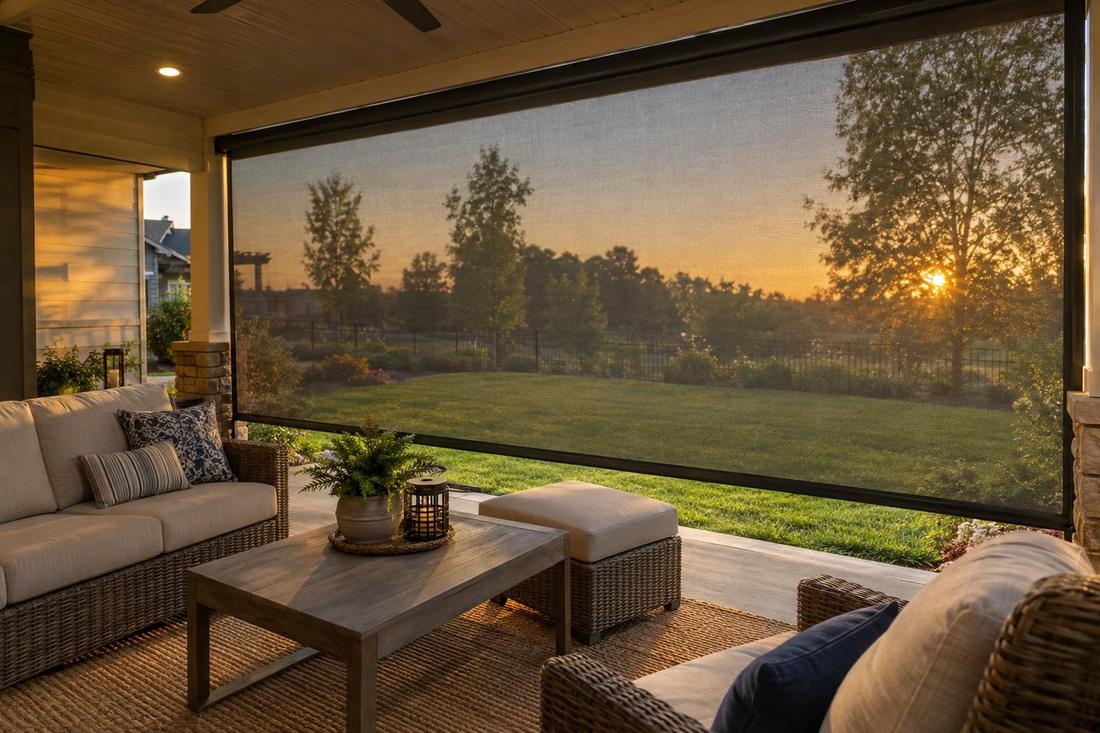
- Retractable screens roll into a small housing and disappear when not in use.
- Side tracks or cables keep the fabric steady in a breeze.
- Wind sensors can retract screens automatically in strong gusts.
- Plan power, mounting surfaces and openings before ordering.
Types of outdoor shades
Retractable screens drop from a housing in a track, outdoor roller shades roll on a tube and pergola shades slide along a frame. Each handles sun and bugs differently, and the right choice depends on the structure and how you use the space.
Screens are popular on porches, patios and garages.
Wind and weather
Outdoor shades face wind, rain and sun. Tracks, cables and zippers hold the fabric in place, and heavier fabrics resist flapping. A wind sensor can retract the shade when the breeze picks up, which protects the fabric and the motor.
No outdoor shade is meant to stay down in a storm.
Planning the opening
We measure the width, height and mounting surfaces carefully, since porches and pergolas are rarely square. We also look at the posts, the beams and where the housing will sit.
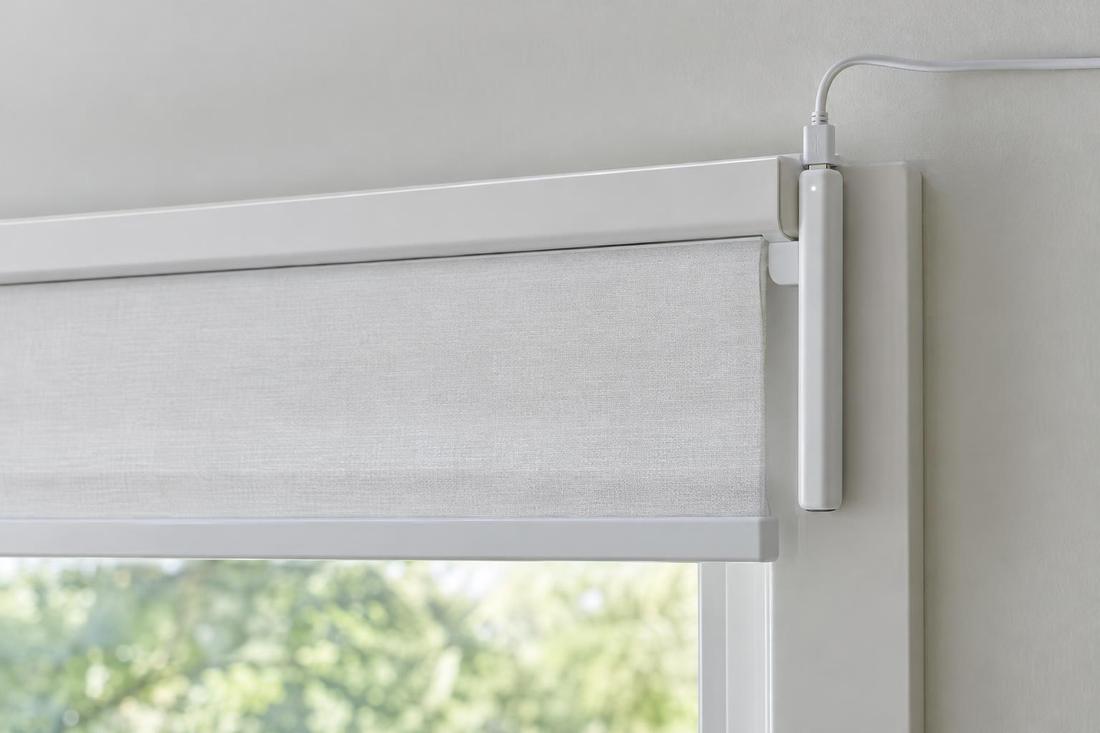
Power is usually a short wired run or a battery with a small solar panel.
Fabric and color
Outdoor fabrics are chosen for sun resistance and openness. A tighter weave blocks more sun and bugs and a more open weave keeps the view and airflow. Darker fabrics preserve the view, and lighter ones reflect heat.
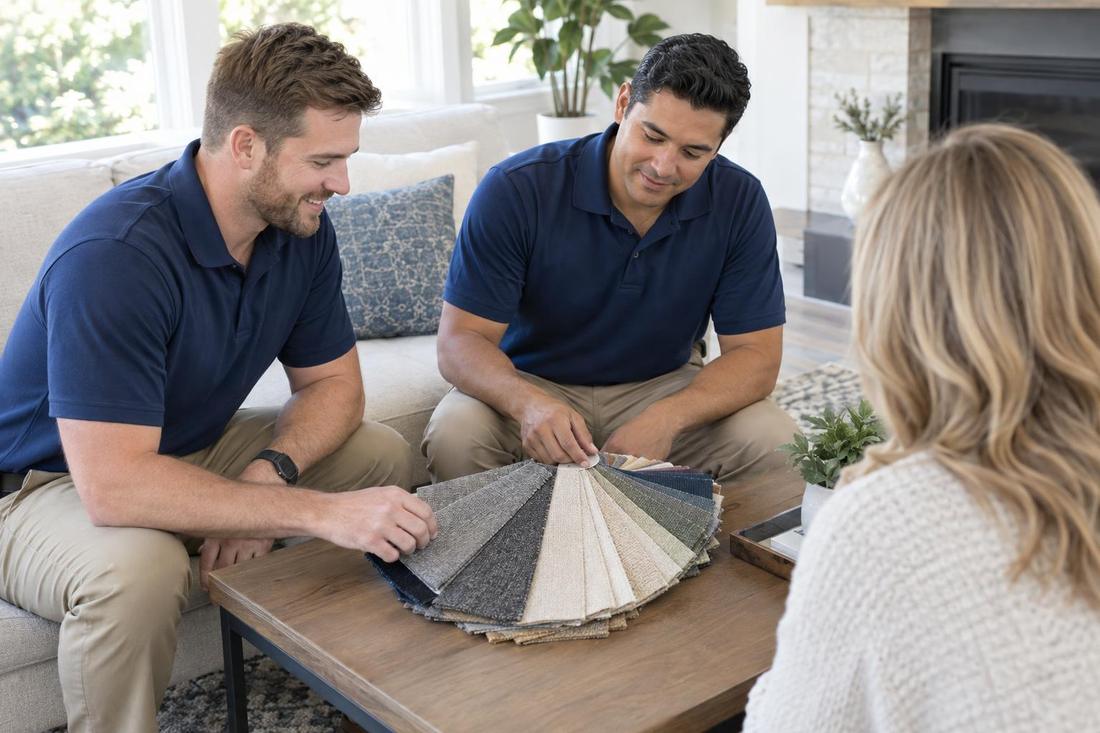
Ask to see samples outside in daylight.
Official sources and further reading
These are independent organizations. Links open in a new tab.
Quick answers
Do patio screens stop mosquitoes?
Screens with fine mesh keep out most insects. Ask us about the mesh options.
What happens in strong wind?
We recommend a wind sensor to retract the shade, and you should raise it by hand in storms if no sensor is installed.