Key takeaways
- West- and south-facing windows usually gain the most heat in summer.
- Solar and cellular shades reduce glare and help rooms stay comfortable.
- Sensors and schedules lower shades before the sun hits.
- Do not expect shades alone to solve a heating or cooling problem.
Where the sun gets in
Sun through glass warms a room, and the most intense exposure usually comes through west- and south-facing windows. Large panes, skylights and sliding doors add even more. Knowing which windows matter tells you where shades will help most.
Walk your home on a sunny afternoon and note the hot spots.
Shades that help
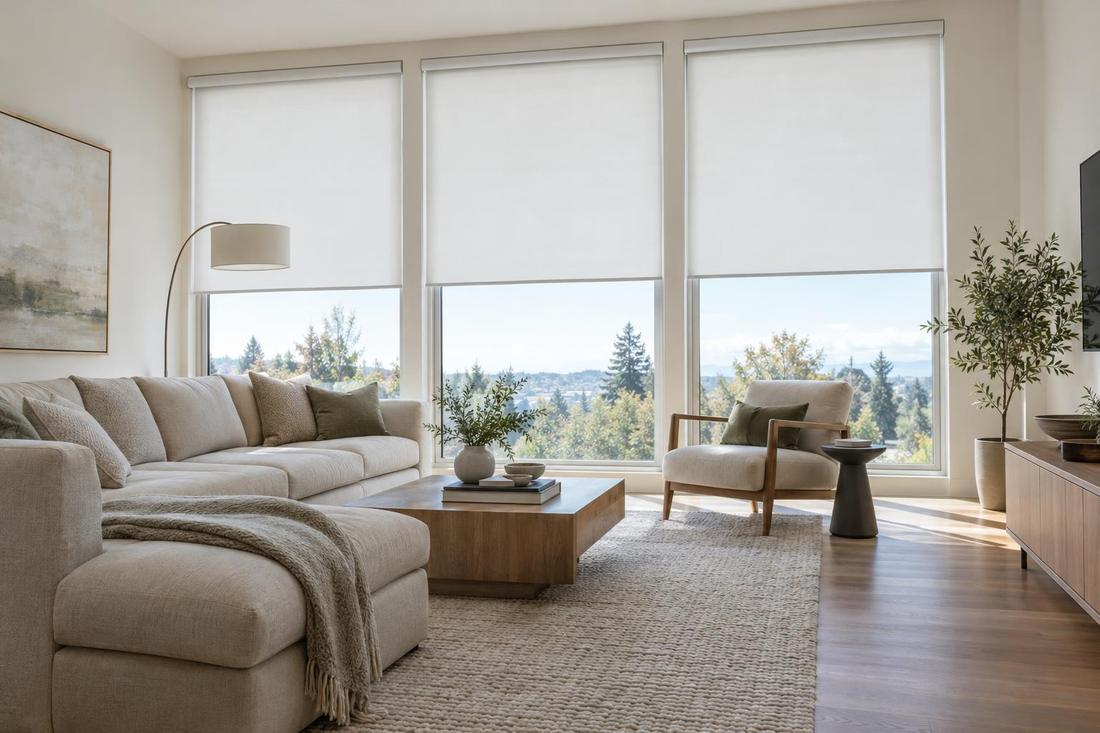
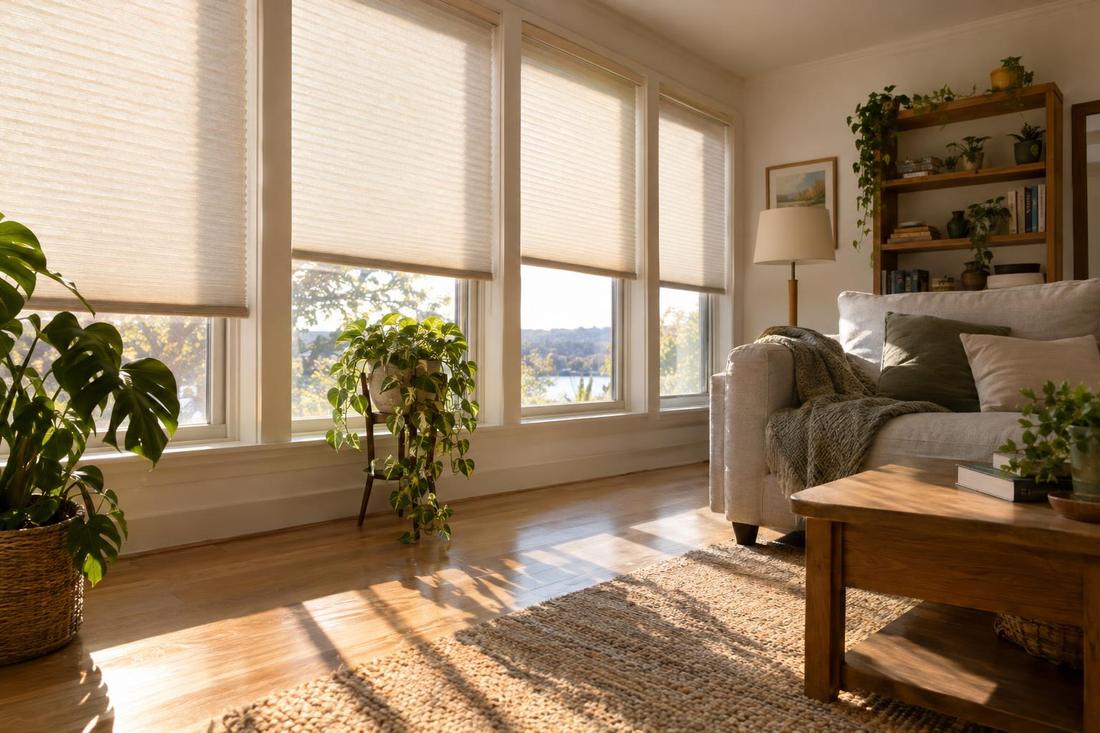
Solar shades reduce glare and block part of the sun while keeping the view. Cellular shades add a layer of air at the window. Blackout and dual shades give the strongest control.
Exterior shades and screens stop the sun before it reaches the glass.
Sensors and schedules
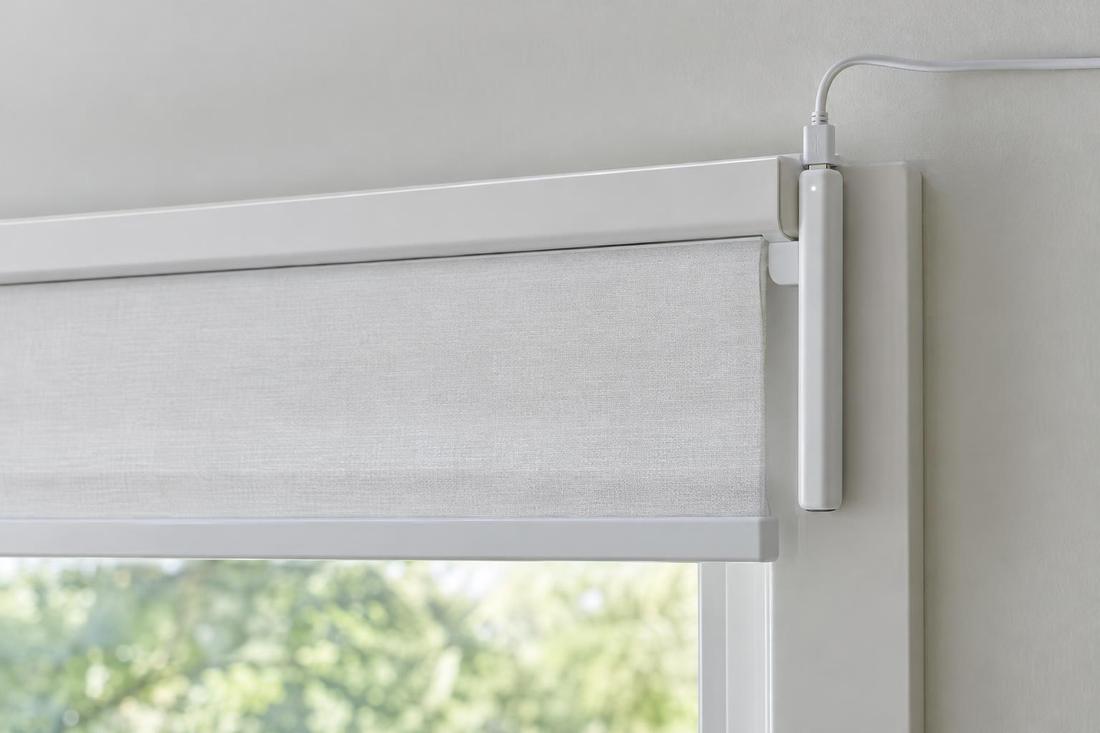
A light or sun sensor can lower shades when the sun hits a window, and a schedule can do the same at set times. This keeps rooms steady even when no one is home, and it protects floors and furniture from fading.
Start with the windows that get the most sun.
Realistic expectations
Shades help comfort, glare and fading, and they can reduce the strain on cooling in a sunny room. They are not a substitute for insulation, good windows or a properly sized system. We do not promise specific savings.
Federal energy resources explain window treatments and what to expect.
Official sources and further reading
These are independent organizations. Links open in a new tab.
Quick answers
Which windows should I shade first?
Start with the west- and south-facing windows and any large glass in rooms you use often.
Do shades help in winter too?
Cellular and insulating shades can make windows feel less cold, and sun can still be welcome in winter.