Key takeaways
- Decide on shades early, before electrical rough-in and drywall.
- Plan power or low-voltage wire at each window, and keypad locations.
- Recessed pockets hide headrails for a built-in look.
- Measure after windows and trim are installed, then order.
Why plan early
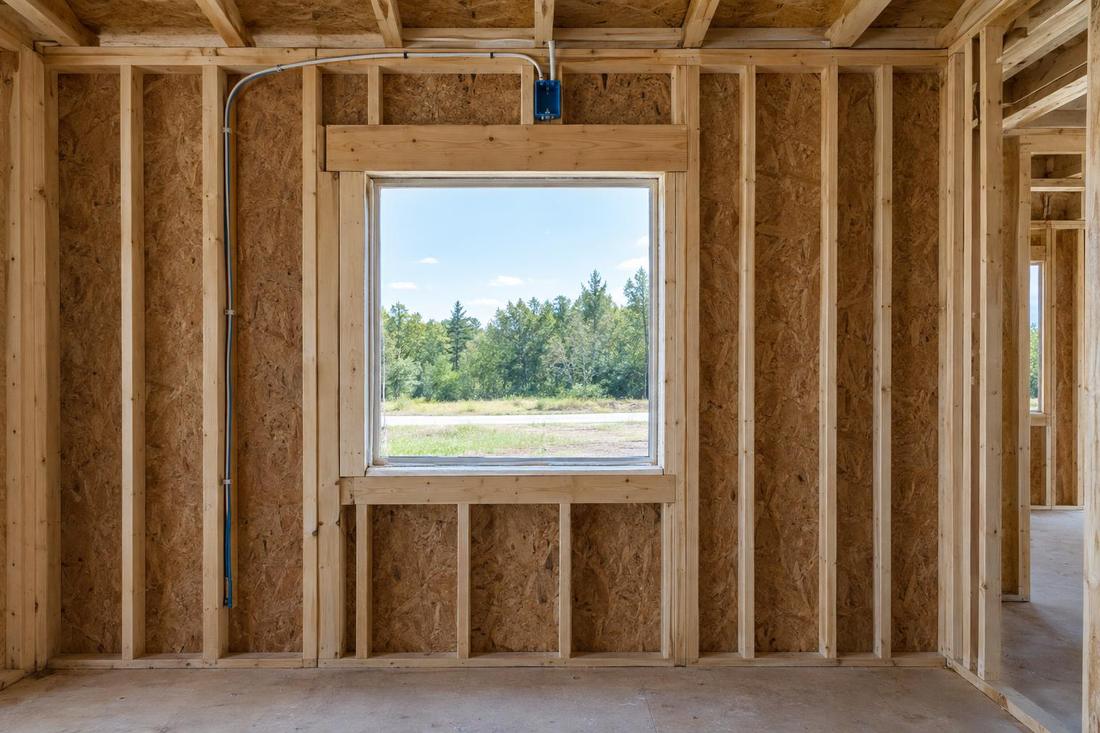
Shades are one of the last items in a build, but their needs show up early. Power, wire and recesses must be built into walls and ceilings before drywall. Waiting until move-in limits the options and can leave visible wires.
Share the window schedule and plans with your shade installer.
Power and controls
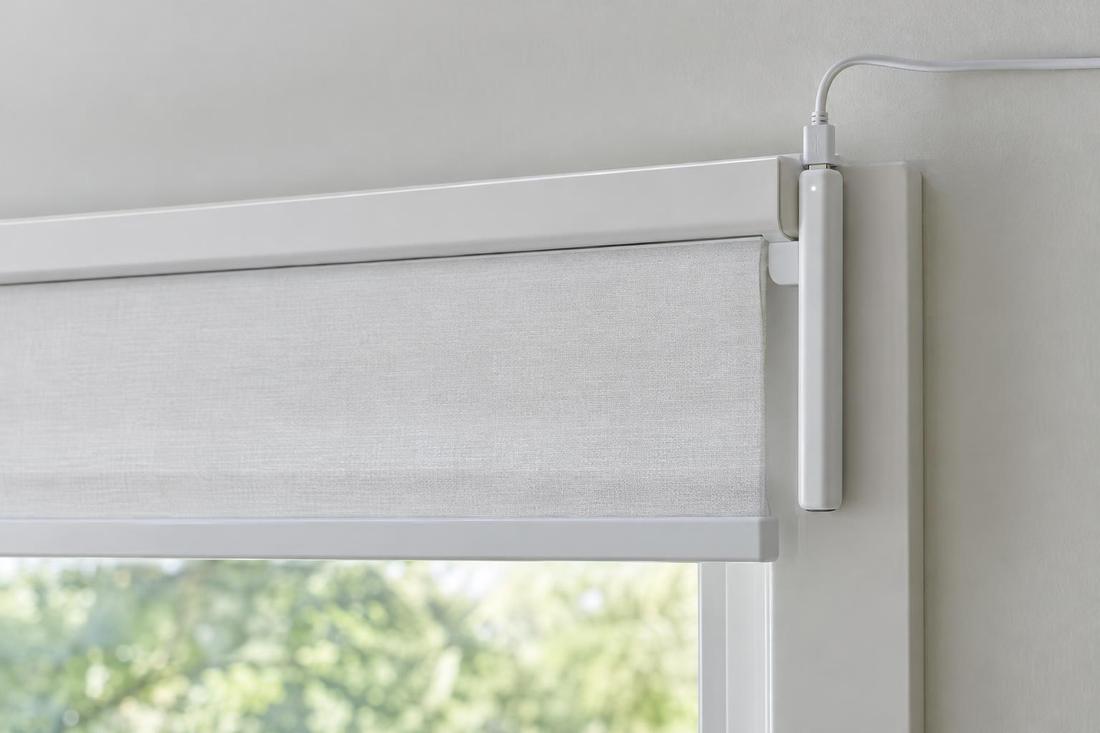
For each window, decide whether the shade will be battery or wired. For wired shades, plan the wire location with your electrician. Plan control points too, such as wall keypads and the hub location.
It is simple to add a wire at rough-in, and hard to add one later in a closed wall.
Pockets and details
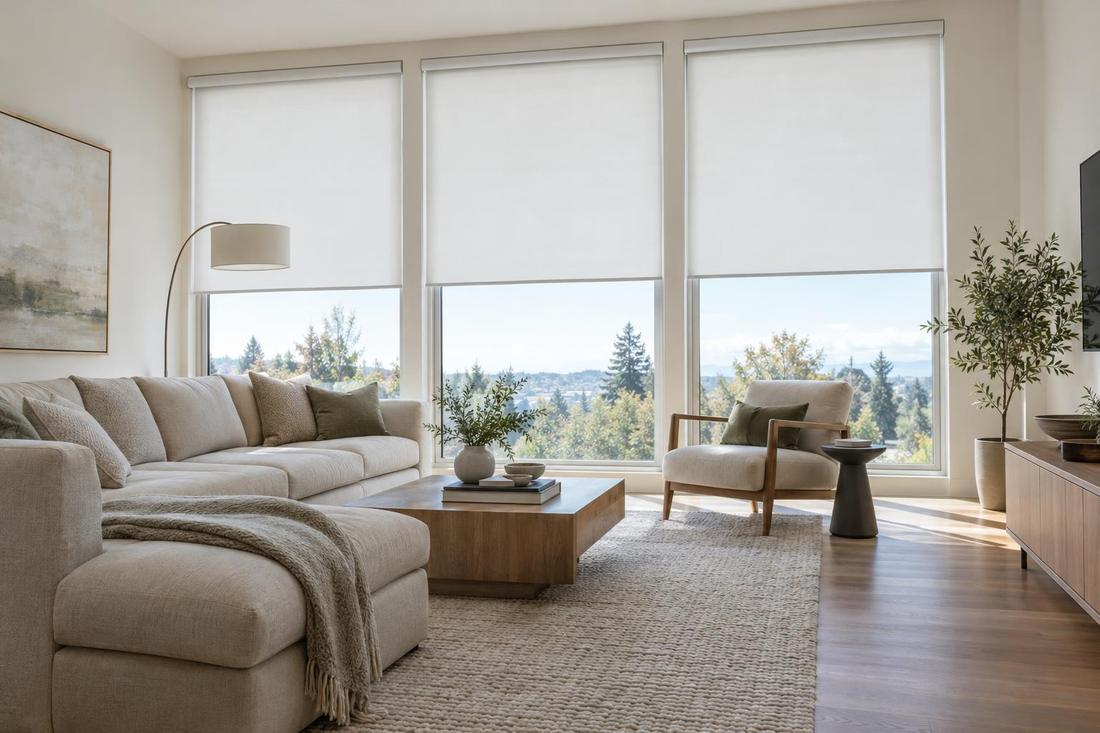
Recessed pockets and ceiling channels hide the shade when it is raised and give a clean, built-in look. They need to be planned with the builder and drywall crew. We provide dimensions for each shade type.
Specialty windows and wide openings may need extra support.
Measuring and ordering
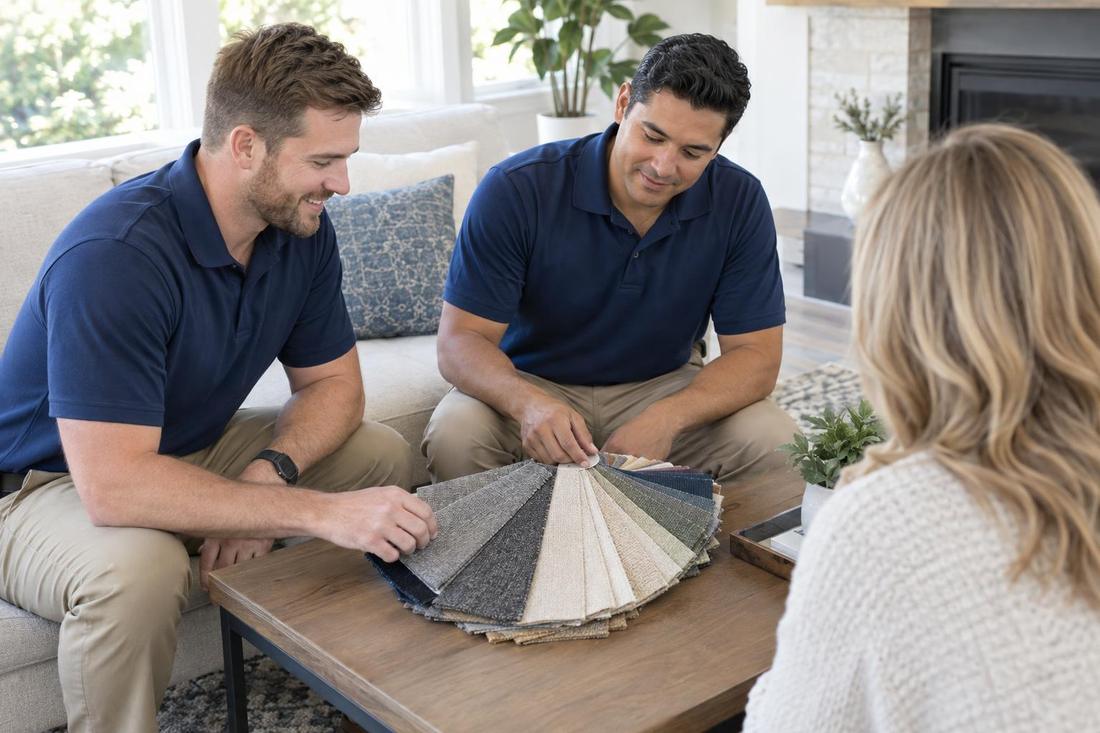
Final measuring happens after windows and trim are installed, since small changes can affect fit. Fabric lead time then determines when shades can be installed, so plan the order to match your move-in date.
We coordinate with your builder on timing.
Official sources and further reading
- National Association of Home Builders
- CEDIA: Custom Electronic Design & Installation Association
- Metro Nashville Codes
These are independent organizations. Links open in a new tab.
Quick answers
When should the shade installer get involved?
Before electrical rough-in, ideally when the window schedule is final.
Do all new homes need pre-wire?
No. Battery shades need no wiring, but wired shades are cleaner for large windows.